- Solid vs. Engineered vs. Laminate: What’s Actually Under Your Feet
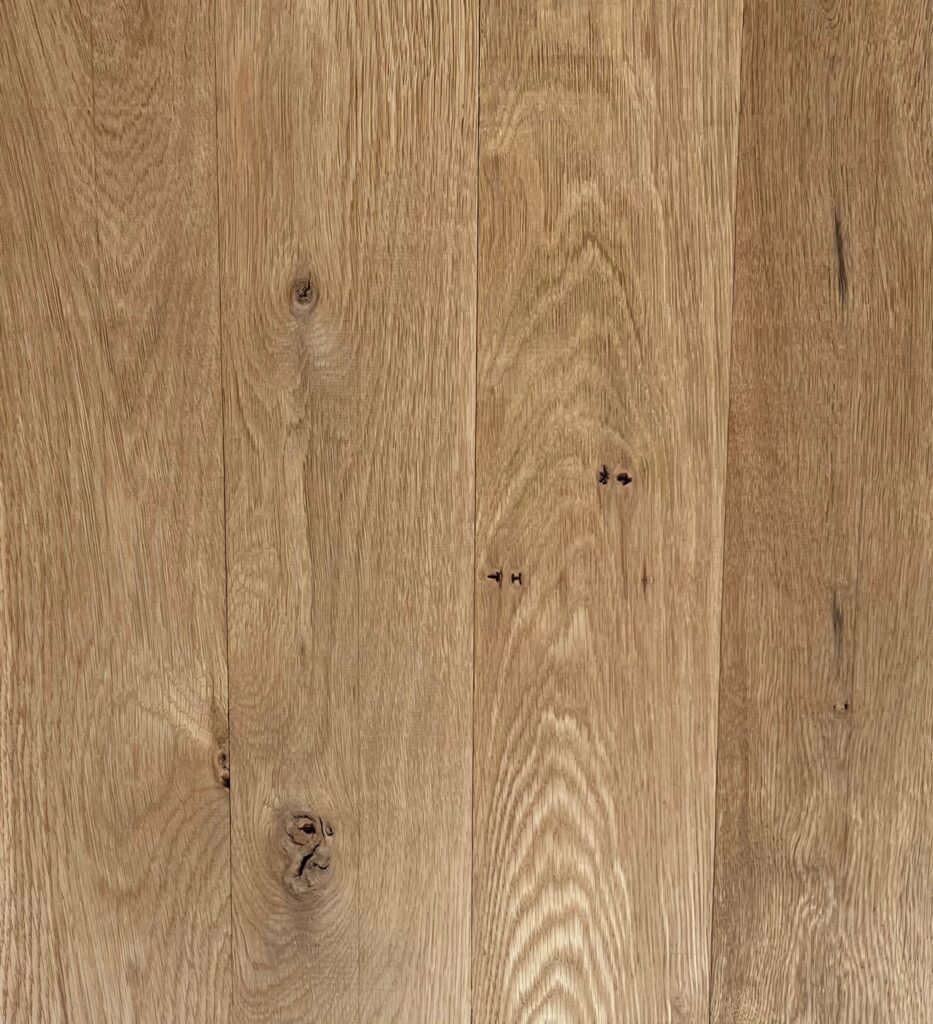
Solid hardwood, engineered wood, and laminate look similar in a showroom. Here’s what’s actually different once they’re on your floor — and why it matters.
- Why Solid White Oak Outlasts Laminate by Decades, Not Years
White oak’s density, tight grain, and natural water resistance make it one of the longest-lasting flooring materials available. Here’s the science behind why.
- Refinish, Don’t Replace: The Hidden Superpower of Solid Hardwood
The real cost comparison between flooring types isn’t the price per square foot — it’s how many times you’ll buy the floor over the life of your home.
- Character vs. Select & Better:
Choosing Your White Oak GradeCharacter and Select & Better aren’t quality tiers — they’re two different looks. Here’s how to tell which grade fits the home you’re building.
- Plain Sawn vs. Rift & Quartered:
Which Grain Pattern Fits Your HomeThe way a log is cut determines the grain pattern, stability, and cost of the finished plank. Here’s the difference between plain sawn and rift & quartered white oak.
- Herringbone & Chevron 101:
What Makes These Patterns Cost More (and Worth It)Herringbone and chevron floors cost more than straight-plank installs for real, specific reasons. Here’s what’s actually different about milling and laying them.
- Extra-Long Planks & Custom Widths:
What “Custom” Really Means at a MillMost flooring is sold in fixed, random-length runs from warehouse stock. Here’s what changes when a floor is milled to order, up to 10 inches wide and 12 feet long.
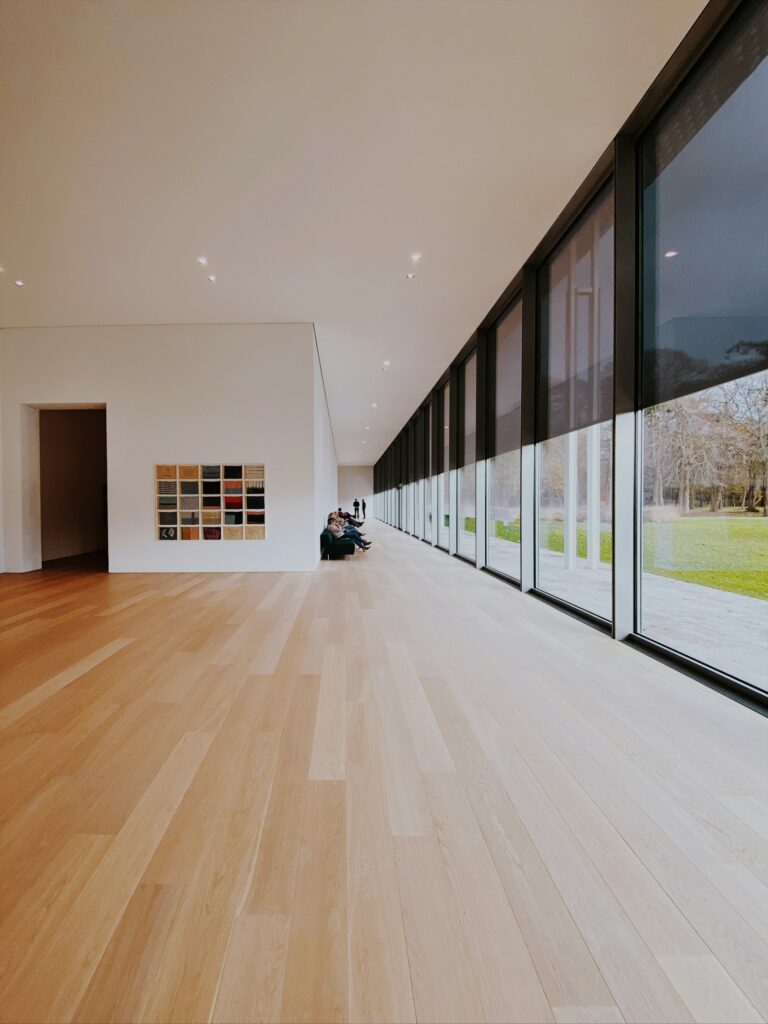 Solid hardwood, engineered wood, and laminate look similar in a showroom. Here’s what’s actually different once they’re on your floor — and why it matters.